
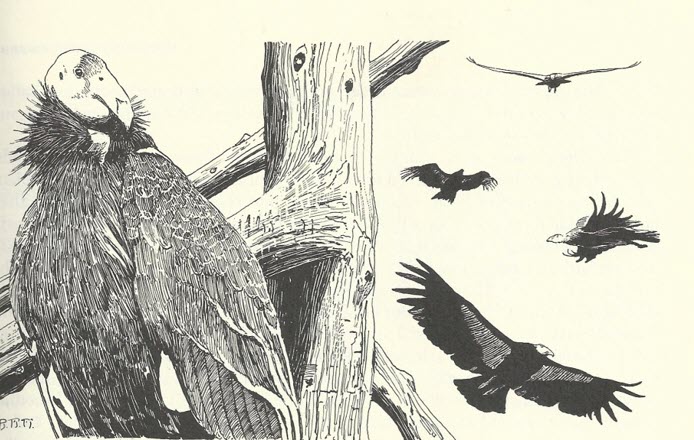
After a one-hundred plus year absence, it appears that California condors are once again nesting in the Pacific Northwest. This exciting turn of events is very much due to the efforts of northern California’s Yurok Tribe. Beginning in 2008, the tribe began assessing the levels of lead and other contaminants in Turkey Vultures in an effort to evaluate exposure risk to condors; the end goal of this project was to release California condors to their ancestral lands.
In early March 2026 the tribe announced that a pair of California condors had, in all likelihood, initiated incubation in the hollow of an old growth Redwood tree. This conclusion was based on changes in movement patterns of the birds: both wear wing transmitters. Field observations and telemetry data showed the condors present in the same location at the Redwood tree, one after the other in succession, thereby providing evidence of shared incubation duties.
Condor Reintroductions
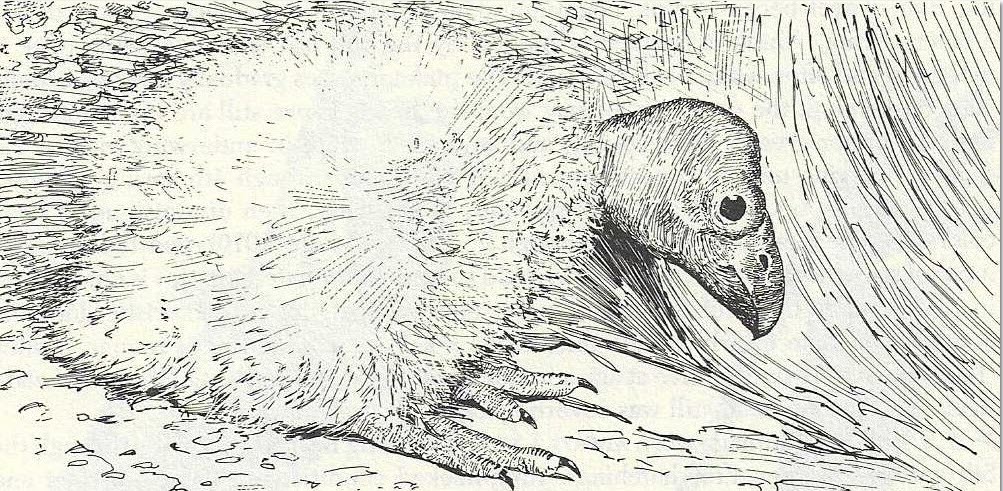
In May 2022 the Northern California Condor Restoration Program (NCCRP), a partnership including the Yurok Tribe, Redwood National Park and State Parks, began condor reintroductions in northern California. That year four young condors were released, three males and a female. (Note: For a story that I posted in 2022 on the California condor and the first condors released, click here.)
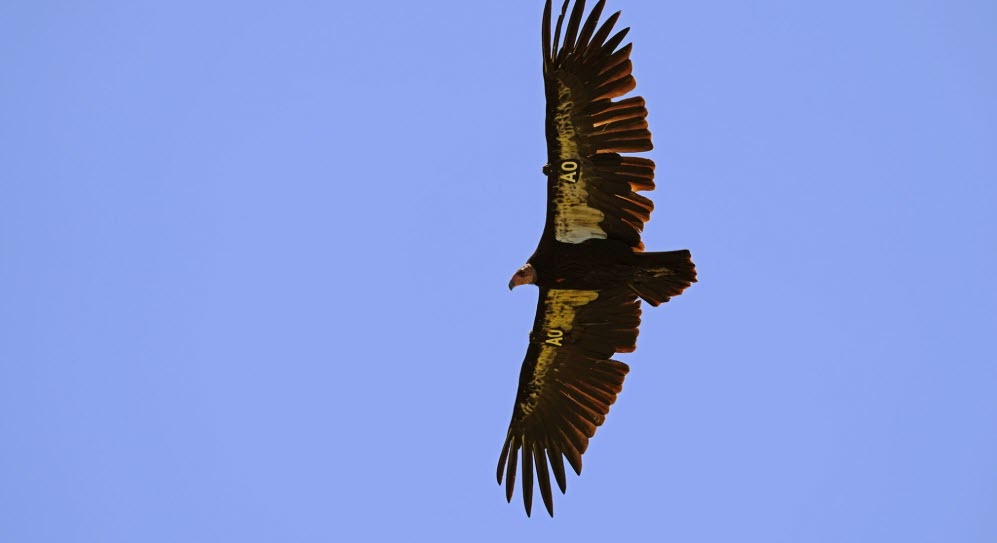
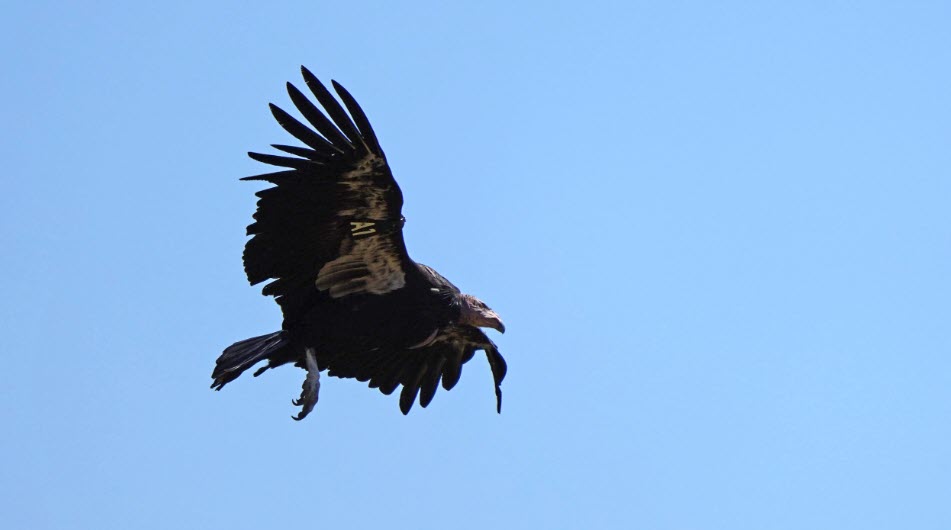
The pair exhibiting nesting activity in 2026 were among the four released in 2022. The female wears wing tag AO and was bred at the Oregon Zoo while her mate, wearing wing tag A1, was bred at Idaho’s World Center for Birds of Prey. Below I share photos of both condors, courtesy of the Yurok Tribe.
From 2022 to 2025, 24 condors were reintroduced to northern California. The NCCRP aims to release at least one group of condors every year for 20 years.
Coastal Raptors Connection
In late March I got an email from Glenn Johnson who provided me with a link to the developing condor story in Mongabay, an online environmental and conservation news magazine.
Glenn wrote, I’m guessing you already know, but super cool that Condors may be nesting on Yurok lands. I saw this and thought of you so I thought I’d reach out. I like to think your efforts helped directly in the planning for this, and that I may have helped in a (much) smaller way. The goal of the early work you spearheaded was always to clear the way for this. Super cool it happened in our lifetimes!
I very much appreciated Glenn’s sharing of the Mongabay story and his acknowledgement of my efforts. In 2012, Coastal Raptors, Hamer Environmental (Glenn’s employer at the time) and toxicologists with the USGS Forest and Rangeland Ecosystem Science Center in Corvallis, Oregon began research examining contaminant and disease exposure in avian scavenger in Washington and Oregon.
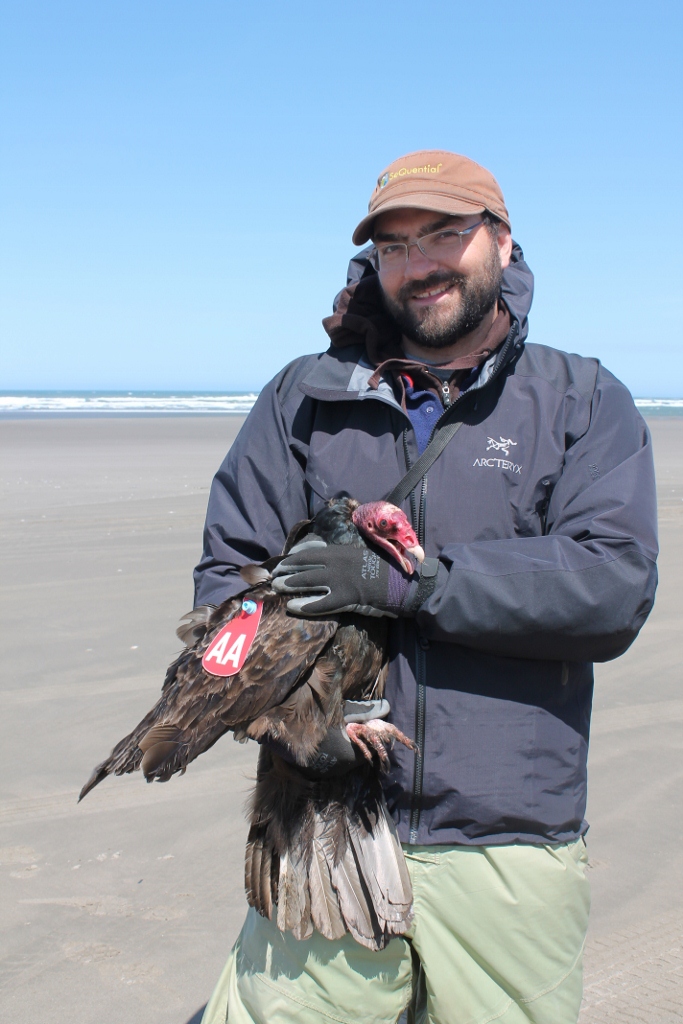
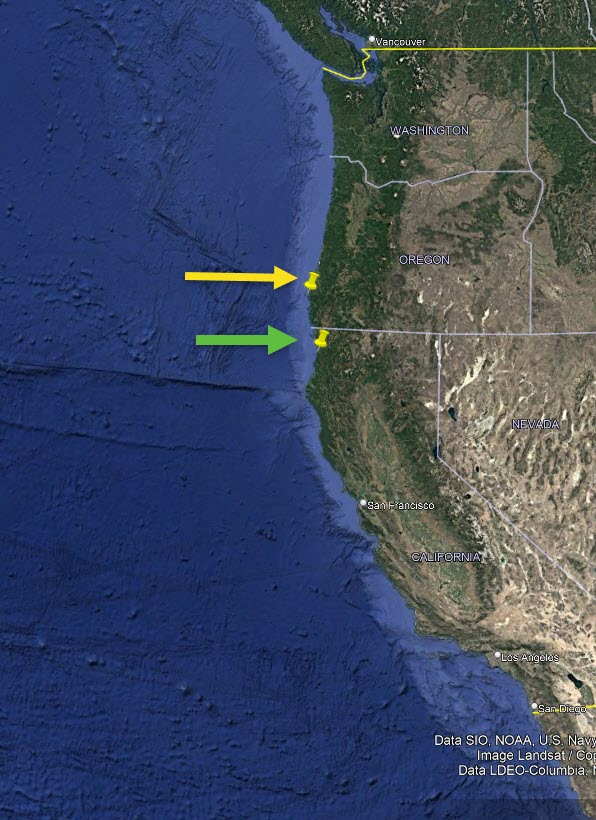
Our primary goal was to evaluate the risk to condors from exposure to contaminated food sources north of California where the Yurok Tribe had been sampling. Our preliminary findings were presented in a 2012 report to the U.S. Fish and Wildlife Service which funded the study, and which were shared with the Yurok Tribe and partners to help inform early planning efforts. This collaborative research provided insights for the NCCRP and partners further north in Oregon and Washington to consider in developing assessment and monitoring programs designed to support condor reintroduction.
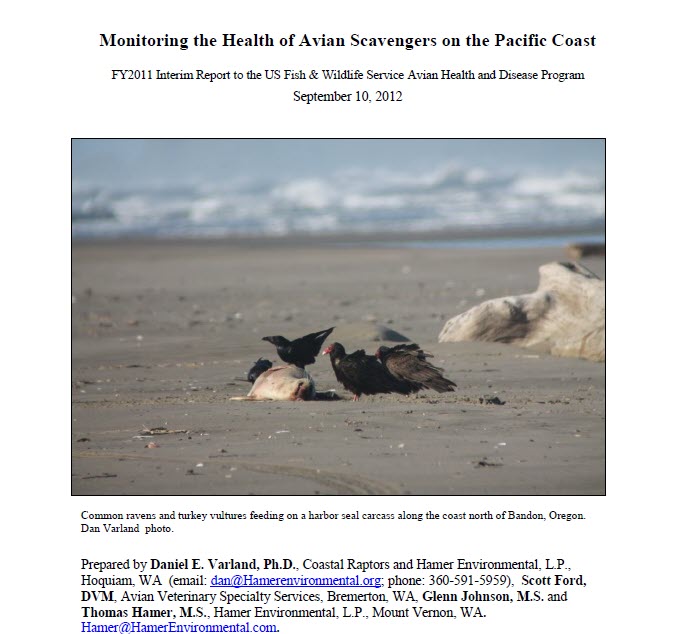
In 2018, findings from our research on heavy metal exposure in Turkey Vultures and Common Ravens were published in the science journal Environmental Pollution (available here.)
The California condor’s range once extended from northern California to southern British Columbia, as demonstrated by historic sightings documented in Jesse D’Elia and Susan Haig’s excellent book California Condors in the Pacific Northwest.
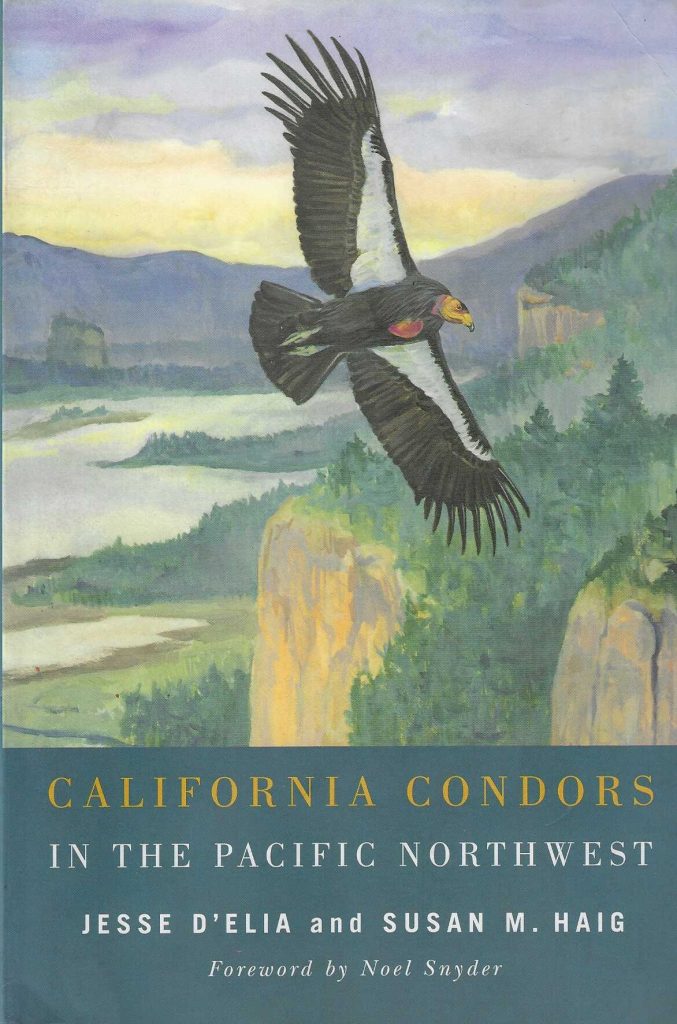
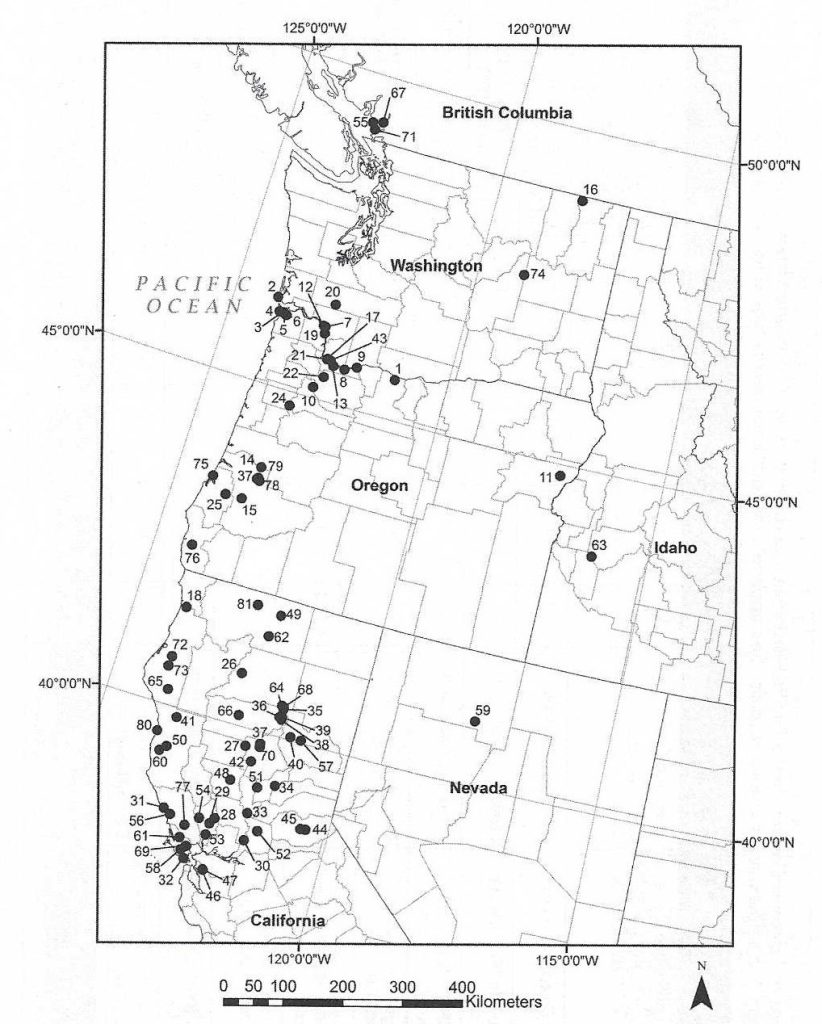
In the beginning of the book, Jessie left a message for his children. It reads For Mason and Quinn: May you one day have the pleasure of gazing upward at a sky alive with the spendid evolutions of the mighty California Condor.
Those of us who have contributed to condor restoration efforts look forward to that day.
2 responses to “Condors Believed Nesting in the Pacific Northwest for the First Time in More Than 100 Years!”
Dan…,
I am so happy to hear this story you and Coastal Raptors have played a role in. If this is not what Easter intent is all about I do not know of another story/ event that is of better good cheer and hope.
Thank you dear friend.
John Hermanson
Dan…I saw a report of this but didn’t send it on to you as I figured it was already out there via Journal of Raptor Research.
Such a hopeful sign! And you played a good part in that. Congrats!!
Go condors!